
Guide
Metal Detecting in Norfolk: A Complete Guide to England’s Best Detecting County
Introduction
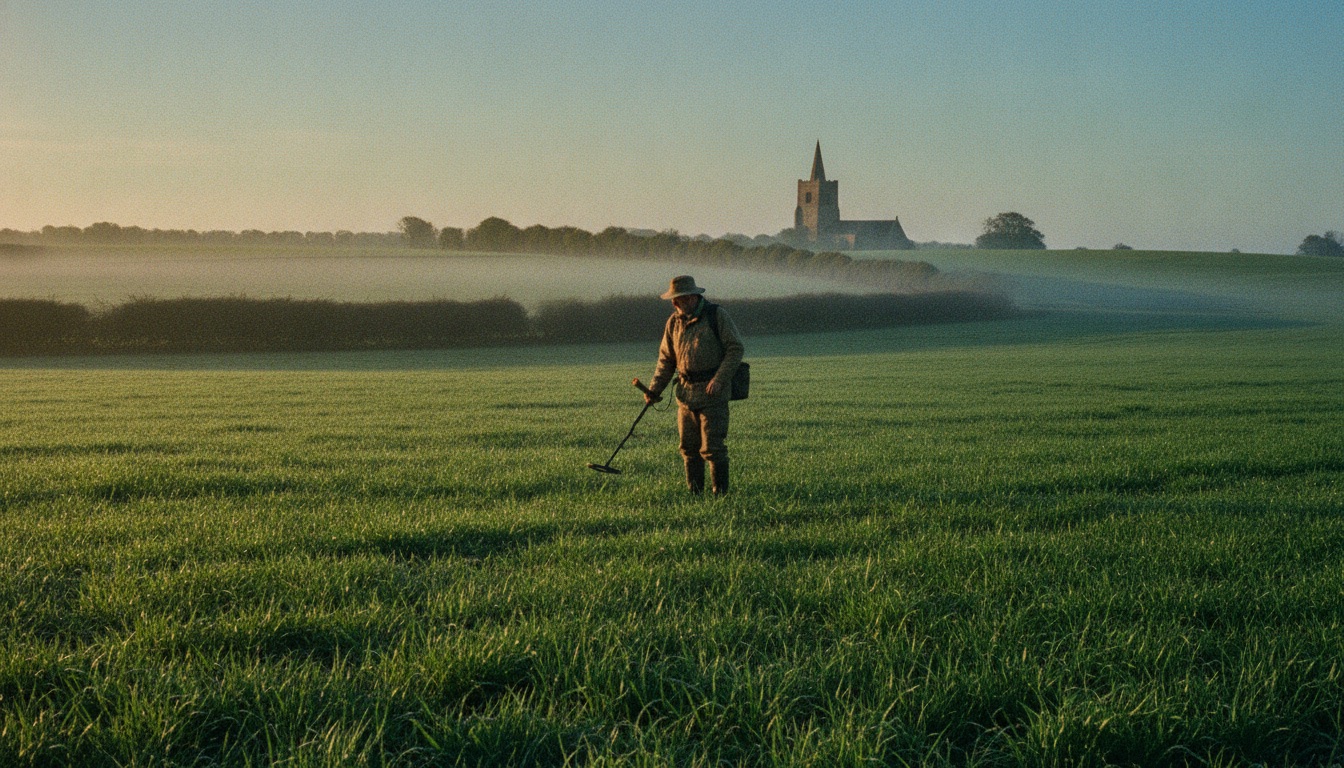
Norfolk, a county steeped in history and rich with archaeological potential, stands out as a premier destination for metal detecting enthusiasts in the UK. Its unique blend of ancient landscapes, historical events, and diverse geology makes it a treasure trove for those keen to unearth relics from bygone eras. From Roman settlements to Viking incursions and medieval marketplaces, the soil of Norfolk holds countless stories waiting to be discovered. This comprehensive guide will walk you through everything you need to know about metal detecting in Norfolk, covering legalities, promising areas, potential finds, and how Detector Maps can enhance your search.
Legal Status & Permits
Metal detecting in the UK, and particularly in Norfolk, is governed by a set of regulations designed to protect archaeological heritage while allowing responsible enthusiasts to pursue their hobby. The most crucial aspect to understand is that the vast majority of land in Norfolk is privately owned. This means that obtaining explicit permission from the landowner is not just a courtesy, but a legal necessity before you even think about swinging your coil. Detecting on private land without permission is trespassing and can lead to serious legal consequences.
Beyond private land, there are also areas where detecting is strictly prohibited, such as Scheduled Monuments, Sites of Special Scientific Interest (SSSIs), and designated archaeological sites. Always check the status of any land before you detect. For detailed guidance on securing permission, refer to our comprehensive guide: How to Get Permission for Metal Detecting in the UK.
Another cornerstone of responsible detecting in the UK is the Portable Antiquities Scheme (PAS). This scheme encourages the voluntary reporting of archaeological finds made by the public. If you unearth an item that could be of archaeological significance, it’s vital to report it to your local Finds Liaison Officer (FLO). The PAS plays a critical role in recording and understanding our shared heritage, ensuring that important discoveries contribute to our collective knowledge rather than being lost. You can find more information and report your finds through the official PAS website: https://finds.org.uk.
Furthermore, any find that meets the criteria of the Treasure Act 1996 must be reported. This typically includes objects over 300 years old made of gold or silver, or groups of coins/objects found together. Failure to report Treasure is a criminal offence. Understanding these legal frameworks is paramount for any detectorist in Norfolk.
Geology & Terrain
Norfolk’s geology is a fascinating tapestry woven over millions of years, directly influencing the types of finds you might encounter. The county is predominantly characterized by its Cretaceous chalk bedrock, often overlain by a thick mantle of glacial deposits from the Ice Ages. These deposits, primarily sands, gravels, and clays, were left behind by retreating ice sheets, reshaping the landscape and mixing materials from various geological periods.
This glacial legacy is particularly significant for detectorists. As the ice moved, it scoured and redeposited older sediments, meaning that finds from different eras can sometimes be found in unexpected contexts. The lighter, sandy soils found in many parts of Norfolk are generally easier to detect in, offering good signal response and less mineralization compared to heavier clay soils. However, don’t discount the clays; they can often preserve organic materials and delicate artifacts exceptionally well.
Along the coast, you’ll find dynamic environments of sand dunes, shingle banks, and salt marshes. While detecting on beaches requires specific permissions (often from The Crown Estate for the foreshore), these areas can yield interesting maritime finds, lost modern items, and sometimes even ancient artifacts exposed by coastal erosion. For more on beach detecting, see our guide: Metal Detecting on Beaches UK.
Inland, the gently undulating landscape is crisscrossed by numerous rivers, such as the Wensum, Yare, and Bure. River valleys and floodplains, particularly those with historical crossings or settlements, are always worth investigating (with permission, of course). The erosion and deposition processes of rivers can concentrate artifacts, making these areas productive. Look for subtle changes in elevation, old trackways, and areas where natural drainage might have exposed older layers of soil.
Understanding this geological backdrop helps you anticipate where certain types of finds might be preserved and what challenges the ground conditions might present. The relatively soft, often sandy soils, combined with a rich history, make Norfolk a prime location for uncovering well-preserved metallic objects.
Best Areas to Explore
Norfolk’s deep historical roots mean that virtually any field or ancient pathway could hold a secret. The county has been a significant stage for various historical periods, leaving behind a rich archaeological legacy. From the Roman occupation, evidenced by roads, villas, and military camps, to the Anglo-Saxon kingdoms and the profound impact of Viking incursions, Norfolk has seen it all. Later, it flourished in the medieval period with bustling market towns and prosperous agricultural lands.
Given this rich history, the potential for finds is widespread. However, it is crucial to reiterate: specific locations for metal detecting in Norfolk are almost exclusively found on private land, and explicit, written permission from the landowner is absolutely essential. There are no universally accessible, designated public detecting sites in Norfolk where you can simply turn up and start searching.
That said, we can discuss general areas that, historically, have proven to be productive, provided you secure the necessary permissions:
- The Fields Surrounding Norwich: As a major Roman settlement (Venta Icenorum) and later a prominent Anglo-Saxon and medieval city, the agricultural lands surrounding Norwich are incredibly rich. Roman coins, Saxon brooches, and medieval artifacts are frequently recovered from these areas. Look for fields that show signs of long-term cultivation and proximity to ancient routes or water sources.
- Coastal Areas and Estuaries (with permission): While beaches require specific permissions (often from The Crown Estate for the foreshore), the broader coastal plain and river estuaries have been points of entry and settlement for millennia. Viking artifacts, early medieval trade goods, and even prehistoric items can be found where erosion or agricultural activity has disturbed ancient layers. Remember to check permissions for foreshore detecting, as these are distinct from private land permissions.
- Ancient Parish Boundaries and Old Settlements: Many of Norfolk’s villages and hamlets have existed for centuries. Researching old maps can reveal former settlement sites, abandoned farmsteads, or ancient trackways that have since been ploughed over. These areas, once bustling with human activity, are prime candidates for historical finds. The edges of ancient woodlands or commons, where old boundaries often lie, can also be productive.
- Areas with Roman and Saxon Place Names: Place names can often hint at historical significance. Settlements with names derived from Roman (e.g., ‘caster’ from castra for camp) or Anglo-Saxon origins (e.g., ‘ham’ for homestead, ‘burgh’ for fort) often indicate long-term human presence and thus a higher likelihood of archaeological deposits. This requires careful research and, again, landowner permission.
Remember, the key to successful detecting in Norfolk is not just knowing where to look in a general sense, but how to gain access legally and responsibly. Always prioritize building good relationships with landowners and adhering to the Code of Conduct for metal detectorists.
What You Can Find
Norfolk’s rich and continuous human history means that the range of potential finds is incredibly diverse, spanning millennia. Here’s a glimpse of what dedicated detectorists, with permission, have unearthed and what you might hope to discover:
- Roman Artefacts: Given Norfolk’s significant role in Roman Britain, Roman coins are a common and exciting find. These can range from early Republican issues to later Imperial coinage. Other Roman finds include brooches (fibulae), lead weights, pottery fragments, and personal adornments. The presence of Roman roads and villas means that domestic and military items are often recovered.
- Anglo-Saxon Treasures: Following the Roman departure, Norfolk became a heartland of Anglo-Saxon England. Detectorists frequently discover Anglo-Saxon coins (sceattas, pennies), intricate brooches (often made of gilded copper alloy or silver), strap-ends, buckles, and other items of personal adornment. These finds offer direct links to the early kingdoms and their craftsmanship.
- Viking Age Relics: The Viking presence in East Anglia was profound, leaving behind a distinctive archaeological signature. Look for Viking-era silver coinage (often hoards), silver ingots, Thor’s hammer pendants, and various pieces of jewellery or weaponry fragments. The blending of Anglo-Saxon and Viking cultures in this region makes for particularly interesting finds.
- Medieval and Post-Medieval Items: As England transitioned into the medieval period, Norfolk remained a prosperous agricultural and trading hub. Medieval finds are abundant and include hammered silver pennies, jetons (counting tokens), thimbles, buckles, lead seals, and various domestic items. Post-medieval finds continue this trend, with Tudor, Stuart, and Georgian coinage, buttons, thimbles, and trade tokens being common.
- Prehistoric Evidence: While less common than later periods, evidence of prehistoric activity can also be found, particularly flint tools, axe heads, and sometimes even Bronze Age or Iron Age coinage or ornaments, especially in areas with older geological exposures.
- Lost Jewellery and Personal Items: Beyond the historically significant, detectorists often recover more personal items lost over centuries, such as rings, pendants, buttons, and even musket balls from later conflicts.
Every find, no matter how small, contributes to our understanding of Norfolk’s past. Remember to clean your finds carefully and, if they are of archaeological interest, report them to the Portable Antiquities Scheme (PAS) to ensure they are properly recorded and conserved for future generations.
Access & Logistics
Successful metal detecting in Norfolk hinges significantly on effective access and logistical planning. As previously emphasized, gaining explicit landowner permission is the paramount first step. This often involves researching land ownership, making polite inquiries, and building trust. Local detecting clubs can be an invaluable resource here, as they often have established relationships with farmers and landowners, and can provide guidance on local etiquette and best practices.
Norfolk is well-served by a network of A-roads and B-roads, making most areas accessible by car. However, many promising detecting spots are in rural, agricultural settings, meaning you’ll often be parking on verges or in farmyards (again, with permission). Always be mindful of farm operations, livestock, and leave gates as you find them. Wear appropriate footwear and clothing for potentially muddy or uneven terrain, especially during wetter months.
When planning your trip, consider the seasonal variations. The best times for detecting are often after harvest, when fields are clear, or during drier periods when the ground is less waterlogged. Winter months can be productive, but the weather can be challenging. Always check local weather forecasts before heading out.
For supplies, Norfolk has numerous towns and villages with petrol stations, shops, and cafes. Norwich, King’s Lynn, and Great Yarmouth are larger centers, but smaller market towns like Fakenham, Dereham, and Diss will also have essential amenities. There are plenty of accommodation options, from B&Bs to campsites, catering to various budgets if you plan a multi-day trip.
Remember to carry all necessary equipment, including your detector, spare batteries, digging tools, a finds pouch, and a mobile phone. Always inform someone of your detecting location and expected return time, especially if you are detecting alone. Responsible detecting also means taking all your rubbish with you and filling in all holes neatly, leaving no trace of your activity.
How Detector Maps Helps
Navigating the historical landscape of Norfolk and identifying promising detecting locations can be a complex task. This is where Detector Maps becomes an invaluable tool for the modern detectorist. It’s designed to help you research, plan, and execute your searches more effectively, ultimately increasing your chances of success.
For coin and relic hunting in a historically rich county like Norfolk, Detector Maps offers a suite of features that can transform your approach. You can overlay historical property boundaries and structures to visualize precisely where old homesteads, forgotten farmsteads, and ancient settlements once stood. This allows you to pinpoint areas of past human activity that might otherwise be invisible on modern maps.
Furthermore, the LiDAR terrain layer within Detector Maps is a game-changer. It strips away modern vegetation and reveals subtle changes in elevation, allowing you to spot tell-tale signs of past habitation such as cellar depressions, old roadbeds, and even remnants of ancient field systems. Cross-referencing these features with historical maps can unlock insights into areas that were once bustling but are now quiet agricultural land.
By combining these powerful mapping tools, Detector Maps helps you to not only identify potential sites but also to understand the historical context of the land. This informed approach means you spend less time guessing and more time detecting in areas with genuine archaeological potential, always ensuring you have secured the necessary permissions beforehand.
Frequently Asked Questions (FAQ)
Plan Your Next Trip
Norfolk offers an unparalleled metal detecting experience, rich with history and the promise of incredible finds. With the right preparation, permissions, and tools, your next trip to this historic county could yield the discovery of a lifetime. Remember to always detect responsibly, respect the land, and report your finds to contribute to our shared heritage.
Plan your next detect with Detector Maps. See historical structure and property boundary overlays to discover old home sites, use the LiDAR terrain layer to spot cellar depressions, and always know where you stand with our property data. Download free on iOS | Android.